
Convenient Home EV Charging Installation Services
The electric vehicle (EV) revolution is well underway, and with it comes the need for convenient charging solutions. As more homeowners switch to electric cars, having a reliable home charging station becomes a priority. Choosing the right installation service can save you time, money, and stress. In this blog post, we will explore the benefits of residential EV charging and the installation services that make it easy for you to charge your vehicle from the comfort of your home.
Understanding Residential EV Charging
Residential EV charging refers to the setup of charging stations at home to power electric vehicles. Unlike public charging stations, having a dedicated charger at home offers numerous advantages. You can charge your car overnight while you sleep, eliminating the need to visit a charging station during your busy day.
Charging at home also allows you to take advantage of off-peak electricity rates, saving you money on your energy bills. According the UK government, charging your EV at home can be significantly cheaper than using public charging stations, with potential savings up to 50% on energy costs.
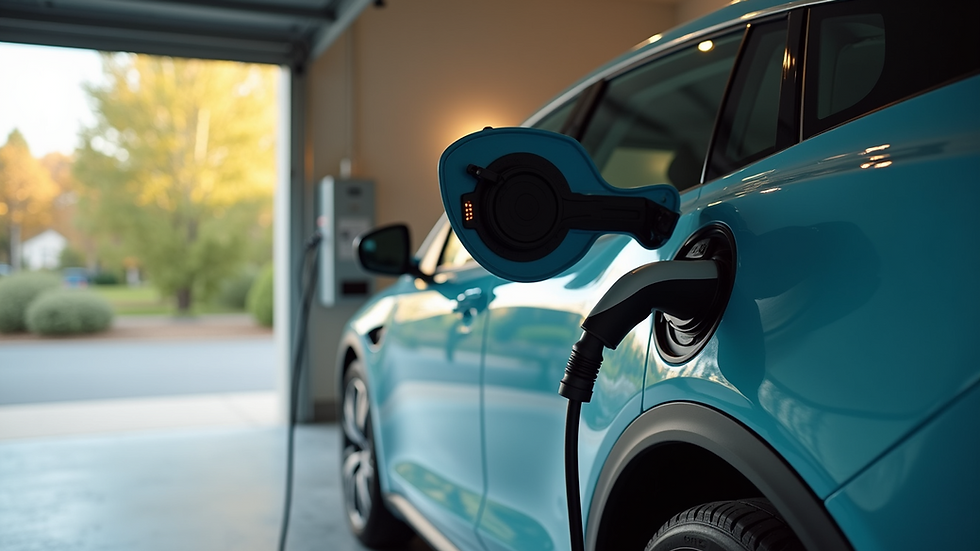
In addition, having a home charging station increases your property's value. Many prospective homebuyers now look for homes equipped with EV charging capabilities. By investing in a charging installation, you're not just making life easier for yourself; you're also enhancing your property's appeal for future potential buyers.
The Importance of Professional Installation
While some may consider a DIY approach to installing an EV charger, it is essential to recognise the importance of professional installation services. Electric vehicle charging stations require specialised knowledge to ensure they are safely and correctly installed. A professional installer will assess your home's electrical infrastructure, ensuring that it meets all safety standards and regulations.
Improper installation can lead to safety hazards, including electrical fires or damage to your vehicle. Furthermore, improperly installed chargers can result in lower charging efficiency and can take longer to charge your vehicle. Professionals can also assist in selecting the right charger to meet your specific needs, including the amperage and type of connector.
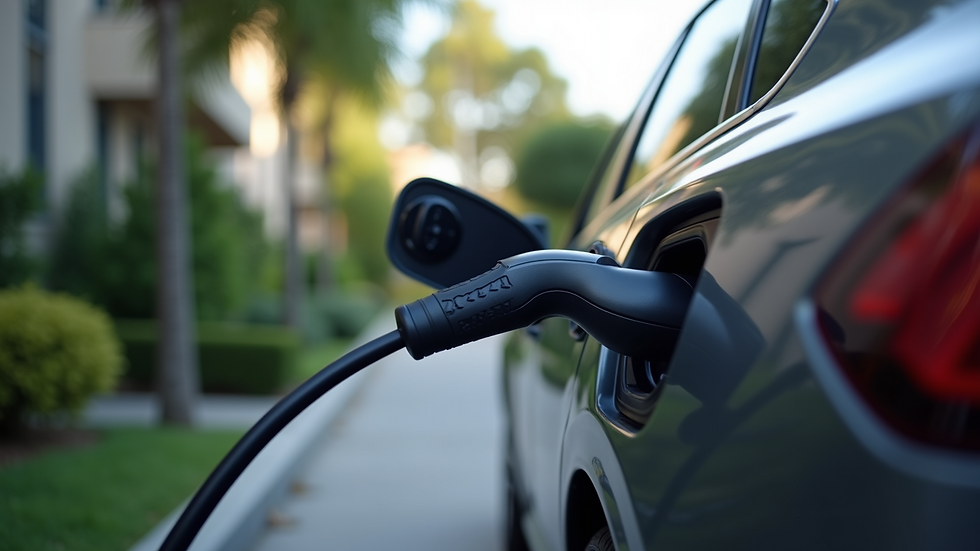
Is it possible to charge an EV car at home?
Yes, it is entirely possible—and straightforward—to charge an electric vehicle at home. Home EV charging systems typically come in two main types: Level 1 and Level 2 chargers.
Standard chargers use a standard 230-volt, 13A household outlet. Although these chargers are easy to set up, they are quite slow. Charging your EV using a Level 1 charger could take anywhere from 8 to 20 hours, depending on the battery size and state of charge.
In contrast, chargers that operate on 16A and above can significantly decrease charging time. These units can fully charge most electric vehicles in about 4 to 8 hours, making them more suitable for daily use. Homeowners should consider their driving habits and daily mileage when deciding which type of charger to install.
When planning to install an EV charging station, it's essential to seek out services specialising in home electric car charging. These professionals can assess your electrical panel's capacity, which is crucial for ensuring adequate power supply to the charger.
Key Factors to Consider in Home EV Charging Installation
When choosing an installation service for your home EV charging station, keep the following factors in mind:
1. Certification and Experience
Always opt for certified electricians with experience in EV charger installations. They should be familiar with local regulations and codes to ensure your installation complies fully. A qualified installer can help prevent future electrical issues that may arise due to improper installation.
2. Cost of Installation
While cost should not be the only consideration, it’s important to have a budget in mind. Installation costs can vary significantly depending on the location and complexity of the installation. Factors that may affect the price include the distance from your electrical panel to the charger and any upgrades that may be needed to support the new equipment. Request quotes from several providers for comparison.
3. Charger Type and Features
Choose a charger that meets your needs. Consider the amperage, the type of connector, and features like Wi-Fi capability for scheduling charges and monitoring usage. Some chargers also offer compatibility with smart home systems for increased convenience and control.
4. After-Sale Services
Inquire about after-sale services. This should include warranty, maintenance, and customer support. Having a reliable support team accessible ensures that any issues or questions you may have after installation are quickly addressed.

How to Prepare for the Installation
Once you've chosen a service provider and settled on a charger, there are a few preparatory steps you can take to ensure a smooth installation process:
Evaluate Existing Electrical System: Have an electrician evaluate your existing electrical circuit and determine if it can support the added load from the EV charger. This assessment will indicate whether you need any upgrades to your electrical panel.
Identify Installation Location: Decide where you'd like your charging station to be located. Ideally, it should be in a place that is easily accessible for your vehicle and close to a power source.
Check Local Regulations: Familiarise yourself with local building codes and regulations. Some areas may require permits for electric vehicle charger installations.
Set Up a Charging Schedule: Check with your utility company for time-of-use plans that minimise your electricity costs during charging. This will help you maximise the savings associated with home-based charging.
Benefits of Having a Home EV Charging Station
The advantages of having a dedicated EV charging station at home are manifold. Let’s summarise some of the primary benefits:
Convenience: Charge your vehicle overnight without making trips to public charging stations, saving you time.
Cost-Effective: Charging at home is generally cheaper than using public charging networks.
Increased Property Value: Homes with EV chargers can attract a broader market of environmentally-conscious buyers, raising your property’s value.
Reduced Range Anxiety: Knowing that you can charge your car at home allows you to travel further without worry.
Eco-Friendly Option: By charging at home using renewable energy sources, you can significantly reduce your carbon footprint.
By choosing a professional home EV charging installation service, you are making an informed decision that leads to convenience and savings. With the right charger and setup, your electric vehicle can be ready whenever you are, making it easier to participate in the clean energy transition.
Final Thoughts
In conclusion, investing in home EV charging installation services is a smart step for electric vehicle owners. As technology continues to advance, it will only become more crucial to have a reliable and efficient home charging solution. Embracing a professional installation can lead to better safety, efficiency, and convenience. If you are ready to enhance your home and charging capabilities, consider contacting a professional service to guide you through the process and ensure a seamless experience. Preparing for your future has never been easier!

Great breakdown! Investing in professional home EV charging installation is a smart move, and partnering with certified commercial electricians ensures your panel capacity and high-voltage setups are safe and fully up to code.
If you’re considering EV charging installation at home, it’s important to work with a trusted professional who understands both safety and efficiency. A reliable setup ensures your vehicle charges properly without overloading your home’s electrical system. For homeowners in Singapore, Electrician Singapore offers expert installation services tailored to your needs. Their team of licensed electricians provides safe, convenient, and cost-effective solutions, making them a great choice for EV charging point installations and other electrical services.